Monday, February 25, 2008
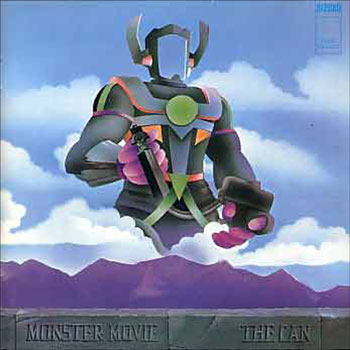
Monday, February 18, 2008

You know how it is, you intend to go here, where people who read this accumulate of a Saturday night, because unaccountably it has the entirety of this on the jukebox. A simple and uncomplicated, even non-controversial Wyatt (re-dubbed Foxxing in homage to the evening’s disconcerter of choice,) Various parties (who shall remain nameless) assemble above a chip shop near the Blackwall tunnel. Camouflage gear is donned, war paint applied, cyanide capsules secreted beneath tongues.
Then it all goes horribly wrong.
Tonight of all nights it seems that Greenwich’s least popular pub is hosting someone’s twenty first birthday party. There’s a rather disconcerting moment in the entrance when we encounter a crowd of expectant relatives holding balloons, cards and party poppers waiting for the birthday girl to turn up. One of our party actually runs away at this point in a state of near delirium (errr….me.) We sneak in the side entrance. What kind of man would attempt to Wyatt a twenty-first birthday party?
Certainly not me, before you start sending death threats, and besides the Jukebox is perched inaccessibly behind a trellis table containing such timeless Brit Classics as crustless Beef-paste sarnies, partially defrosted sausage rolls, Fairy cakes and bowls of luminous Tangy Lime and Vomit Flavored Doritos (all looks the same when it’s coming out the other end, dunnit?)
The birthday girl arrives as we get a seat at the back to have a pint before presumably heading on to pastures new. Then another problem rears its head. The seventy year old guy doing the Deejaying appears to be a genius. First track is some kind of epic cold pop number, a sleigh ride across a blasted tundra. Next it’s a slice of robosensual Timabalandesque R and B. Who is this? Amerie? Beyonce? It’s bloody good. By the time the third brilliant track in a row is over, Comrade Infinite (who shall remain nameless) has been obliged to ask the septuagenarian wizard-on-the-wheels-of-steel just what it was. Apparently it’s the latest Hot Chip single.
Holy Fuck! Who possibly might be the next band played at this rate. It transpires, however, that Granddad has NO idea what he’s playing, employing an entirely aleatory approach to the noble art of Deejaying (which we naturally applaud) by randomly selecting tracks off two separate compilations. Genius. John Cage would be proud. We’re being reverse-Wyatted by a pensioner.
Next thing you know we’re dancing. Was it “Baggy Trousers” that did it? Vague memories come back to me of Monster Bobby’s extraordinary, chest high bouts of knee-juggling, but whatever it was that set us off, there was certainly an almost painfully extended megamix of YMCA complete with acronymic arm flinging and, I’m forced to admit, a thoroughly uncoordinated solo attempt at the Macarena ( “dale alegria a tu cuerpo Impostumo!”) in the middle of which I bump into a slightly surprised work colleague. “Do you know Jessica?” she asks. “Errrr…”.I reply. A conga line is formed. I feel obliged to join it ( anything to get your hands on a prepubescent chavettes muffin-top at my age, innit?) Monster Bobby meanwhile has got into the kind of jackhammering pelvis and gelatinous knee joints routine that momentarily makes you worry he may needed hospitalising later, while Baron Hatherly of Woolwich shimmies his ineffable way through Tainted Love one hand louchely parked in his trouser pocket and La Power Xpresses her own-nasty-self with exactly the kind of prancingly aloof, glacial kittenishness that must keep many a fusty academic’s heart palpitating wobbly as he tries to sleep under his office desk of a night. Whoops!
Ahh, well…… It’ll have to be next week then….
Then it all goes horribly wrong.
Tonight of all nights it seems that Greenwich’s least popular pub is hosting someone’s twenty first birthday party. There’s a rather disconcerting moment in the entrance when we encounter a crowd of expectant relatives holding balloons, cards and party poppers waiting for the birthday girl to turn up. One of our party actually runs away at this point in a state of near delirium (errr….me.) We sneak in the side entrance. What kind of man would attempt to Wyatt a twenty-first birthday party?
Certainly not me, before you start sending death threats, and besides the Jukebox is perched inaccessibly behind a trellis table containing such timeless Brit Classics as crustless Beef-paste sarnies, partially defrosted sausage rolls, Fairy cakes and bowls of luminous Tangy Lime and Vomit Flavored Doritos (all looks the same when it’s coming out the other end, dunnit?)
The birthday girl arrives as we get a seat at the back to have a pint before presumably heading on to pastures new. Then another problem rears its head. The seventy year old guy doing the Deejaying appears to be a genius. First track is some kind of epic cold pop number, a sleigh ride across a blasted tundra. Next it’s a slice of robosensual Timabalandesque R and B. Who is this? Amerie? Beyonce? It’s bloody good. By the time the third brilliant track in a row is over, Comrade Infinite (who shall remain nameless) has been obliged to ask the septuagenarian wizard-on-the-wheels-of-steel just what it was. Apparently it’s the latest Hot Chip single.
Holy Fuck! Who possibly might be the next band played at this rate. It transpires, however, that Granddad has NO idea what he’s playing, employing an entirely aleatory approach to the noble art of Deejaying (which we naturally applaud) by randomly selecting tracks off two separate compilations. Genius. John Cage would be proud. We’re being reverse-Wyatted by a pensioner.
Next thing you know we’re dancing. Was it “Baggy Trousers” that did it? Vague memories come back to me of Monster Bobby’s extraordinary, chest high bouts of knee-juggling, but whatever it was that set us off, there was certainly an almost painfully extended megamix of YMCA complete with acronymic arm flinging and, I’m forced to admit, a thoroughly uncoordinated solo attempt at the Macarena ( “dale alegria a tu cuerpo Impostumo!”) in the middle of which I bump into a slightly surprised work colleague. “Do you know Jessica?” she asks. “Errrr…”.I reply. A conga line is formed. I feel obliged to join it ( anything to get your hands on a prepubescent chavettes muffin-top at my age, innit?) Monster Bobby meanwhile has got into the kind of jackhammering pelvis and gelatinous knee joints routine that momentarily makes you worry he may needed hospitalising later, while Baron Hatherly of Woolwich shimmies his ineffable way through Tainted Love one hand louchely parked in his trouser pocket and La Power Xpresses her own-nasty-self with exactly the kind of prancingly aloof, glacial kittenishness that must keep many a fusty academic’s heart palpitating wobbly as he tries to sleep under his office desk of a night. Whoops!
Ahh, well…… It’ll have to be next week then….
It’s official. South London 21st birthday parties are the new Sonar festival.

Sunday, February 17, 2008
Back soon with a report on the Wyatt-that-went-wrong. Meanwhile, in other news, this is a good bit of writing.*
*But what do I know? Apparently Zadie considered that the ten stories sent to her as a shortlist, (even the very best of the eight hundred and fifty stories garnered from all over the world, submitted surely by plenty of seasoned writers, MA students who'd been honing bits and bobs on their courses under the tutor's watchful eyes, gifted came-out-of-nowhere-first-timers etc) were not even worth reading. Wow! Truly harsh.
A more cynical man might begin to suspect that there had been some kind of fuck-up. But of course not. She's harsh because literature is more important than any individual ego. It's all about integrity, innit!
Thursday, February 14, 2008
Tuesday, February 12, 2008
Hear ye , hear ye, seekers after the cutting edge of Urban culture!
I’ve just bumped into a guy who works in my local gym. Last time I saw him he was bemoaning the fact that he didn’t finish work till late on a Friday, at eleven, in fact. Naturally being the sympathetic and good natured gent I am I asked him how his weekend went, how Friday night was etc. He moaned that going home he got stuck on a bus going up to Woolwich that had been mobbed by teens sodcasting away merrily and having an impromptu mini rave on the top deck. Not uncommon apparently on certain routes. How many? I asked. He claimed (pinches of salt at the ready) about fifty! And also claimed that they all sit around on buses all night, hopping from one to another (it’s free in London for under sixteens or something, isn’t it?) ring their mates up and try to meet up on particular routes. Apparently sometimes if there’s a group of teenagers waiting at a particular stop the driver just powers past and everyone on the top deck kicks off. It’s a nightmare apparently (I tried to conceal my glee) and apparently it’s called “Busblasting”. There is, bizarrely, only one reference on the internet to it, from about a year ago, here. No doubt it also goes by other names.*
Ever the committed social documentarian the Impostume intends to immerse himself in the shady world of hardcore south London busblast culture and return with a report as soon as he can. Along with a report on a bit of well-deserved Wyatting.
You don’t get that from Zadie Smith, izzit?
I’ve just bumped into a guy who works in my local gym. Last time I saw him he was bemoaning the fact that he didn’t finish work till late on a Friday, at eleven, in fact. Naturally being the sympathetic and good natured gent I am I asked him how his weekend went, how Friday night was etc. He moaned that going home he got stuck on a bus going up to Woolwich that had been mobbed by teens sodcasting away merrily and having an impromptu mini rave on the top deck. Not uncommon apparently on certain routes. How many? I asked. He claimed (pinches of salt at the ready) about fifty! And also claimed that they all sit around on buses all night, hopping from one to another (it’s free in London for under sixteens or something, isn’t it?) ring their mates up and try to meet up on particular routes. Apparently sometimes if there’s a group of teenagers waiting at a particular stop the driver just powers past and everyone on the top deck kicks off. It’s a nightmare apparently (I tried to conceal my glee) and apparently it’s called “Busblasting”. There is, bizarrely, only one reference on the internet to it, from about a year ago, here. No doubt it also goes by other names.*
Ever the committed social documentarian the Impostume intends to immerse himself in the shady world of hardcore south London busblast culture and return with a report as soon as he can. Along with a report on a bit of well-deserved Wyatting.
You don’t get that from Zadie Smith, izzit?
*bit more here
Monday, February 11, 2008
All very rum. I always thought Zadie Smith bore an uncanny resemblance to Thatcher myself (it's the eyes, innit) but that haughty, schoolmarmish tone really does confirm it. Shudder! Admittedly I did rush my story off so not even getting a sniff at the abortive shortlist is doubtless understandable, but how bad can they all have been given that the previous year's winners weren't exactly of the exalted standards that an artist of Zadie’s stature would seem to require before doling out a few grand of someone else's cash? Ahh, what integrity!


Anyway, the story I entered is below. According to the judges at the Willesden Herald it isn't even mediocre, but given that there was no winner or even a short list of "best" stories it's hard to know what a good story looks like (always informative.)
Right..... I'm off to have a crisis of confidence......
In Sana’a
McDiamond takes a Lucky Strike out the pack, flicks his Zippo open with a switch of his wrist. The flame flares, a blue and purple pyramid dancing inside its little perforated cage. He scrutinises it for a moment then inclines toward it, cigarette precisely angled. Thick, black hair parted in the middle, blue eyes cracked and humming with glacial intelligence, cheeks and throat sandpapery with a dense, two-day stubble.
“Some say the world will end in fire,” he says
McDiamond holds the lighter out to Pinder, who cranes into it, slightly bent Benson and Hedges curving up into the flattened gas jet, a corona of yellow splutter battered by the fan’s downdraft. Pinder inhales, coughs, soothes himself with a sip of the whisky. Raises his Buchanan’s on the rocks so McDiamond can appraise it. Tinkles the cubes in the glass. His long nose and lowered spectacles make him look like a disapproving old schoolmaster. Which in a way, he is.
McDiamond holds the lighter out to Pinder, who cranes into it, slightly bent Benson and Hedges curving up into the flattened gas jet, a corona of yellow splutter battered by the fan’s downdraft. Pinder inhales, coughs, soothes himself with a sip of the whisky. Raises his Buchanan’s on the rocks so McDiamond can appraise it. Tinkles the cubes in the glass. His long nose and lowered spectacles make him look like a disapproving old schoolmaster. Which in a way, he is.
“Some say the world will end in ice,” Pinder replies.
McDiamond laughs.
“So,” McDaimond asks. “What’s your angle on all this, the latest phase in the United States’ Army’s Permanent Engagement Program?”
“I’m sure you know very well what it is,” Pinder says. “ The triumph of aggression over diplomacy, of imperialism over popular…”
“Ok, ok.” McDiamond waves his hand around and pulls a pained face. “With all respect Mike, if you’re going to try telling me that this place, that the Yemen is going to be worse off under American patronage, worse with the however-inadequate government it has now shored up by the US Army than it will be under some tribal, Islamist coalition of… Had you even been here before the British media shipped you over? I had. Have you even been outside Sana’a? Trust me. This place is stone-age.”
Pinder pushes his glasses up his nose and regards McDiamond frankly. He declines to mention that he’s been here several times over the past forty years, starting back with the 1962 coup and the Civil war. He is certain that in McDiamond’s extensive study of the region he will have heard the phrase famously used to describe Sadat’s disastrous involvement in the conflict: “Egypt’s Vietnam”. Clearly, however, he is unaware of its provenance.
“And soon it’s going to be a U.S. style democracy, is it?” Pinder asks. “Another country going from prehistoric to post-industrial in one gigantic, Shock and Awe propelled effort?”
“Well, you know, for one, I’ve never proposed democracy for any of these countries. Democracy?” He waves his cigarette hand around, loose grey loops thinning in the air.
“I’m not one of those Western-Style-Democracy cheerleaders. The democratic moment, shall we say, at least in my assessment, has passed. It was a historical anomaly, an interregnum rather than any end-point. China, Russia, the Gulf States, the Populist Authoritarian Left in South America. The future is going to look a lot more autocratic and theocratic than the recent past, my friend.”
“So,” McDaimond asks. “What’s your angle on all this, the latest phase in the United States’ Army’s Permanent Engagement Program?”
“I’m sure you know very well what it is,” Pinder says. “ The triumph of aggression over diplomacy, of imperialism over popular…”
“Ok, ok.” McDiamond waves his hand around and pulls a pained face. “With all respect Mike, if you’re going to try telling me that this place, that the Yemen is going to be worse off under American patronage, worse with the however-inadequate government it has now shored up by the US Army than it will be under some tribal, Islamist coalition of… Had you even been here before the British media shipped you over? I had. Have you even been outside Sana’a? Trust me. This place is stone-age.”
Pinder pushes his glasses up his nose and regards McDiamond frankly. He declines to mention that he’s been here several times over the past forty years, starting back with the 1962 coup and the Civil war. He is certain that in McDiamond’s extensive study of the region he will have heard the phrase famously used to describe Sadat’s disastrous involvement in the conflict: “Egypt’s Vietnam”. Clearly, however, he is unaware of its provenance.
“And soon it’s going to be a U.S. style democracy, is it?” Pinder asks. “Another country going from prehistoric to post-industrial in one gigantic, Shock and Awe propelled effort?”
“Well, you know, for one, I’ve never proposed democracy for any of these countries. Democracy?” He waves his cigarette hand around, loose grey loops thinning in the air.
“I’m not one of those Western-Style-Democracy cheerleaders. The democratic moment, shall we say, at least in my assessment, has passed. It was a historical anomaly, an interregnum rather than any end-point. China, Russia, the Gulf States, the Populist Authoritarian Left in South America. The future is going to look a lot more autocratic and theocratic than the recent past, my friend.”
Pinder isn’t sure he’s quite ready to be referred to as anyone’s friend just yet.
“And you have the ear of the administration, do you?”
McDiamond smiles. “That depends who you think the administration are.” Drags on his Lucky Strike. “You misunderstand me if you think I’m a Neo-Con, Mike. You old, Bi-polar Left guys, have more in common with the Neo-Cons than I do. I’m disappointed, Mike. I thought you read my stuff,” McDiamond says, trying to get a rise out of him.
McDiamond smiles. “That depends who you think the administration are.” Drags on his Lucky Strike. “You misunderstand me if you think I’m a Neo-Con, Mike. You old, Bi-polar Left guys, have more in common with the Neo-Cons than I do. I’m disappointed, Mike. I thought you read my stuff,” McDiamond says, trying to get a rise out of him.
“Oh, I’ve read it,” Pinder announces distractedly over the bar.
McDiamond swirls the whisky in his glass up into a soft vortex of interleaved golden sheets before he slugs it back, reclines in his chair with a creak of old wood and weathered leather. He looks up at the fan wobbling away above their heads, carving the air into manageable slices. Looks down again at Pinder’s long, narrow back angled against the bar’s solid mahogany, eyes the sweat stain on his shirt, arrowing down from the collar between the fanned shoulder blades.
McDiamond’s a little loaded now. Drunk and tired, having jumped a commercial flight from Baghdad two days early and ended up talking to some high-level Baathist ex-military heading over to shore up the Yemeni army, instead of getting the few hours of shut-eye he needed. Coming off a grueling five-week stint embedded with the First Battalion of the Fifth Regiment as they took back Fallujah, he planned a few days downtime in Sana’a Sheraton, getting his notes together, maybe starting to draft something before he heads out south for more interviews with the Grunts-on-the-Ground, enjoying the rather-more-than-regulation one litre of whisky his military credentials have allowed him to bring in.
Oh, I’ve read it. Airily dismissive. Well fuck you, buddy.
McDiamond chews at his lower lip. Suddenly, he knows who Pinder reminds him of, with his coronet of thinning white hair, his long face and wide set eyes, his stumpy wings. It’s the Klee painting “Angelus Novus.” He recalls what Benjamin wrote about the angel of history. Maybe he can work that into his latest book, subvert it. Say that it’s History’s angels, the liberals, who produce all the suffering, through their neglect, through moral cowardice dressed up as enlightenment and its the devils, the ones who are really prepared to take on man in all his ugliness, who accept man’s blindness and stupidity who have brought us everything, have managed and ordered the world. Men like McDiamond.
The angel of history, in the painting, isn’t being driven away by the wind but is moving back, fleeing, retreating from the grim, blood and gristle-work of the world in horror, fundamentally uninvolved, outside, ahead of events, always negotiating its way back into some imagined Utopian space. The liberal conscience embodied. Aloof, mystical, refusing to dabble in the real world, in its necessities. Always fleeing from the truth of what history teaches us. That there will always be conflict, that there will always be suffering, that there will always be power, that man is not perfectible.
McDiamond scowls into his glass. That stupid cartoon angel with its jowls and its saucer eyes.
Pinder leans against the bar and savours his cigarette. They seem to have started a little early in the day. Pinder had barely finished the breakfast meeting in which he was told there would be another twenty four hour delay in setting up an interview with the most venerable, newly-Washington friendly President Salih, when McDiamond came lumbering in through the foyer, covered in dust and glittering in the sunlight, looking as though he’d walked all the way from Iraq.
McDiamond recognized him first, of course. The price of being legendary, he likes to say, is that everybody you bump into remembers precisely who you are. And though Pinder does know the face, the manner from somewhere, he can’t pin down precisely where they’ve met before. On some panel, at a book launch, perhaps their paths have crossed in places just like this on the endless trawling through all the trouble spots of the world that they seem to have chosen as their trade.
Pinder has seen them come and go over his, well, forty-five years now, first as a cub reporter, then as a documentary maker and Serious Journalist, crusading journalist, he reminds himself, a relentless, indefatigable champion of the truth against the official version, of the poor and disenfranchised against the vested interests, of the little man against the Corporations.
The whisky is good, very good. They are sitting in the semi-dark at the far end of the Sheraton’s main conference hall like a couple of guilty schoolboys, when really no-one is concerned that they are drinking. There are periodic crackdowns on the hotel bars to make sure they aren’t selling beer to locals but other than that…
Even so the faint sense of doing something illicit is adding to Pinder’s pleasure. He’s always been a whisky man, and he’s always enjoyed breaking the rules. He just hopes that this seeming complicity won’t be strengthening any fraternal bonds between the two of them.
Faint memories of his last conversation with Pinder have been swimming back to him though the precise location in which it all took place remains hazy. Pinder was challenging him a little more directly perhaps than he is now, but then, perhaps they were a little drunker than they are now. The truth, was the issue in question, Pinder recalls, and McDiamond was explaining to him that no-one cares about the truth. “Mike, dig up all the dirt you want, expose all the hypocrisy and double-dealing and corruption you care to, the populace knows it all anyway, it doesn’t care, only Liberals, care, Mike. Only Liberals think telling a lie is the worst crime you can commit, the rest of the world doesn’t give a fuck if its leaders are Bad People, so long as they are effective. And that isn’t always measured by strict truthfulness, Mike.”
“Lies have brought down governments. Journalists pursuing the truth have caused regime change without a single shot being fired. Remember Nixon? The truth matters. The problem is that as a profession, many of us have lost the sense of the integrity of our mission. We stand for the truth or we’re mere propagandists,” Pinder told him.
He remembers McDiamond shrugging, “What I’m saying Mike is that if you have a vision you can’t communicate to the broad mass of the populace at a given time, you need to coax them along a little….”
Ah yes, Pinder remembers. He’s grateful for the American’s whisky if not entirely his company then, and he certainly won’t be dragged into any debates today. He tries to conserve his energy more and more as he gets older. He likes to say that the problem these days, at his age, with Bush in the Whitehouse, is that while he’s gaining in anger he’s loosing out in stamina. And besides, for the last few nights he’s slept badly, even by his standards. He knows that the more mandarin disdain he affects the more the American will try to needle him, that observation about the Authoritarian Left in South America, for instance, but Pinder has always played on certain of his attributes, his height and demeanour, his air of Old Europe authority to get him out of tight spots, to quash arguments. There’s something he’s learned over the years, that a certain expression of Englishness, a certain type of aristocratic imperial entitlement, is so deeply ingrained in the subconscious of the world as an incarnation of unconditional intellectual and moral authority as to render the bearer of it virtually unkillable. But for that he might have been unceremoniously dumped in a shallow grave in some corner of a foreign field long ago. It’s a bi-product of Britain’s shameful legacy of exploitation in the world, Pinder doesn’t doubt, but as a negotiating tool, as a survival strategy, he would be a fool not to exploit it. A dead fool.
So, no matter how much his voluble American colleague may insist on trying to draw him in, or to win him over, or whatever he hopes it is that he’ll achieve, the more Pinder will simply harden the carapace of his adamantine certainty.
Still, at least he’s quiet for the moment, the American. The Quiet American. Pinder smiles into his drink, has another mouthful of whisky, sluices a few slivers of ice around.
It’s damn good. The best part of a bottle smoothly down between them and not even mid-day.
“Hey, let’s you and me go somewhere,” the American suddenly says.
The car pulls out of the Sheraton’s long, curved driveway, through its elaborate wrought iron gates, past the ostentatiously uniformed security guards and begins the long winding descent toward the old town. They are in a regulation BMW 760 IL, tricked out with the four extra ton’s worth of bombproof steel on the undercarriage, armour plating on the doors and bulletproof glass in the windows that the Sheraton provides as standard for visiting dignitaries in the Yemen.
McDiamond runs his hands over the smooth leather upholstery and sucks down the air con. Even at this altitude the heat is punishing but after five weeks embedded, after five weeks of army rations and the most intense firefights he’s ever seen, well, more than ever he appreciates the greatness, dammit, the moral greatness of some precision-tooled luxury.
Pinder fiddles beside him, fastening his seatbelt. The whisky and two crystal tumblers that McDiamond popped into the side pockets of his Army fatigues are sliding gently back and forth on the seat between them, waiting to be filled. Seatbelts? After surviving what he’s survived, and now, sitting in what effectively amounts to the commercial equivalent of a tank, he’s not going to start worrying about a seatbelt. Maybe that’s what’s kept Pinder alive so long. McDiamond remembers the last time they met, Pinder told him pointedly, with a cautionary air, “ I have never grown fond of war. I have never regarded man in peacetime as superficial.”
He glances at Pinder’s profile, the tan scrubland rippling past outside the tinted windows. He guesses that Pinder must have been in his fair share of firefights too, back from what, Korea? Vietnam? through every conflict major and minor in every shit-hole, pre-historic corner of the world since.
He wonders if Pinder ever caught a bullet. McDiamond has heard the stories about Pinder’s legendary sang-froid. He can picture him in his linen suit and rimless glasses strolling blithely through the middle of some Banana-republic shitstorm with the bullets respectfully swerving around him. That saintly thing. Hell. McDiamond starts to mellow out a little. He and Pinder might not be so far apart as Pinder thinks they are, Patrician Liberal and New Imperialist, maybe two different expressions of the same sense of entitlement. But still, he must have caught a bullet sometime. Mc Diamond’s about to ask him but thinks better of it. Too personal. Even if he hasn’t he’ll know plenty who have. Instead he folds down the mini-bar from its housing in the back seat, gets the tumblers up onto it and starts sloshing out two generous measures.
The air conditioning is up full, but even so Pinder is still sweating and his vision has a dark stain at its centre. A normal response to the intense heat and brightness of the hotel forecourt perhaps, but which seems to be persisting. He takes a deep breath and finds it troubling, his chest tight and the seatbelt constrictive. He fixes his eyes directly ahead, on the back of the driver’s seat and rubs his thumb over the fingertips of his left hand. They are tingling slightly, pins and needles, and Pinder can’t tell whether it’s simply the effect of the whisky, so much, so early in the day. Certain sensations, certain oddnesses seem to be standing out as distinct among the general, heavy bleariness that the drink has brought on. He’s certainly tired and rather than allowing himself to be dragged out on whatever mission McDiamond is undertaking he would perhaps have been better off catching up on his sleep. Poor judgment, and his eternal curiosity, his eternal need for leads. He must be coming down with something. Very inconvenient. He could certainly sleep now with the car’s soft swaying around the mountain roads and the gentle hum of the engine.
McDiamond on the other hand is getting his second wind, is psyched by the possibility of introducing Pinder to the CCTV network that has sprung up in Sana’a in the three years since 9/11, both by the extent of the work and the degree of the Yemen government’s co-operation with his own. New friends, new enemies. He has guessed that Pinder is over here doing something on the weapon’s industry, another smear job on the US no doubt, who are busy training up the Yemen army to tackle Al Qaeda and police the Saudi-Yemen border.
“You know, this country has a population of twenty million and approximately eighty, that’s eight-zero, million guns. That’s four for every man, woman and child in the place, and since we can guess that the women aren’t carrying them and that, at least up to age eight or so the kids don’t have them, that means that your average Yemenite, in that all-important, unemployed, poor, illiterate 16-26 demographic, we can safely say that with them we have a generation of seriously angry young men who are armed, almost literally to the teeth. Now that is what I believe we refer to as “ a fertile breeding ground.”
The car pulls out of the Sheraton’s long, curved driveway, through its elaborate wrought iron gates, past the ostentatiously uniformed security guards and begins the long winding descent toward the old town. They are in a regulation BMW 760 IL, tricked out with the four extra ton’s worth of bombproof steel on the undercarriage, armour plating on the doors and bulletproof glass in the windows that the Sheraton provides as standard for visiting dignitaries in the Yemen.
McDiamond runs his hands over the smooth leather upholstery and sucks down the air con. Even at this altitude the heat is punishing but after five weeks embedded, after five weeks of army rations and the most intense firefights he’s ever seen, well, more than ever he appreciates the greatness, dammit, the moral greatness of some precision-tooled luxury.
Pinder fiddles beside him, fastening his seatbelt. The whisky and two crystal tumblers that McDiamond popped into the side pockets of his Army fatigues are sliding gently back and forth on the seat between them, waiting to be filled. Seatbelts? After surviving what he’s survived, and now, sitting in what effectively amounts to the commercial equivalent of a tank, he’s not going to start worrying about a seatbelt. Maybe that’s what’s kept Pinder alive so long. McDiamond remembers the last time they met, Pinder told him pointedly, with a cautionary air, “ I have never grown fond of war. I have never regarded man in peacetime as superficial.”
He glances at Pinder’s profile, the tan scrubland rippling past outside the tinted windows. He guesses that Pinder must have been in his fair share of firefights too, back from what, Korea? Vietnam? through every conflict major and minor in every shit-hole, pre-historic corner of the world since.
He wonders if Pinder ever caught a bullet. McDiamond has heard the stories about Pinder’s legendary sang-froid. He can picture him in his linen suit and rimless glasses strolling blithely through the middle of some Banana-republic shitstorm with the bullets respectfully swerving around him. That saintly thing. Hell. McDiamond starts to mellow out a little. He and Pinder might not be so far apart as Pinder thinks they are, Patrician Liberal and New Imperialist, maybe two different expressions of the same sense of entitlement. But still, he must have caught a bullet sometime. Mc Diamond’s about to ask him but thinks better of it. Too personal. Even if he hasn’t he’ll know plenty who have. Instead he folds down the mini-bar from its housing in the back seat, gets the tumblers up onto it and starts sloshing out two generous measures.
The air conditioning is up full, but even so Pinder is still sweating and his vision has a dark stain at its centre. A normal response to the intense heat and brightness of the hotel forecourt perhaps, but which seems to be persisting. He takes a deep breath and finds it troubling, his chest tight and the seatbelt constrictive. He fixes his eyes directly ahead, on the back of the driver’s seat and rubs his thumb over the fingertips of his left hand. They are tingling slightly, pins and needles, and Pinder can’t tell whether it’s simply the effect of the whisky, so much, so early in the day. Certain sensations, certain oddnesses seem to be standing out as distinct among the general, heavy bleariness that the drink has brought on. He’s certainly tired and rather than allowing himself to be dragged out on whatever mission McDiamond is undertaking he would perhaps have been better off catching up on his sleep. Poor judgment, and his eternal curiosity, his eternal need for leads. He must be coming down with something. Very inconvenient. He could certainly sleep now with the car’s soft swaying around the mountain roads and the gentle hum of the engine.
McDiamond on the other hand is getting his second wind, is psyched by the possibility of introducing Pinder to the CCTV network that has sprung up in Sana’a in the three years since 9/11, both by the extent of the work and the degree of the Yemen government’s co-operation with his own. New friends, new enemies. He has guessed that Pinder is over here doing something on the weapon’s industry, another smear job on the US no doubt, who are busy training up the Yemen army to tackle Al Qaeda and police the Saudi-Yemen border.
“You know, this country has a population of twenty million and approximately eighty, that’s eight-zero, million guns. That’s four for every man, woman and child in the place, and since we can guess that the women aren’t carrying them and that, at least up to age eight or so the kids don’t have them, that means that your average Yemenite, in that all-important, unemployed, poor, illiterate 16-26 demographic, we can safely say that with them we have a generation of seriously angry young men who are armed, almost literally to the teeth. Now that is what I believe we refer to as “ a fertile breeding ground.”
Smiling, he glances across at Pinder, who is nodding drowsily along with everything he says, his glasses so far down his nose they are in danger of falling off.
“So I was supposed to be heading out to the nerve-centre of the whole Counter Insurgency Surveillance Programme here in a day or two but I figure I can bring it forward. We’re talking state of the art. Forget everything you know about Echelon, within two years that has already started to look primitive, steam-driven. We’re talking about a global information gathering and processing network of almost inconceivable reach and Sana’a is the latest city, the latest node to appear on the hub. Anybody makes a call, touches a keyboard, passes a piece of paper, eats, walks, or shits in this city and someone, somewhere, is going to be watching it.” 9/11 has been the motor for so much, huge, exponential leaps in technology, totally new arenas of interplay and interdependence.
“A new mode of obtaining power of mind over mind, in a quantity hitherto without example,” Pinder quotes softly, his eyes fixed firmly ahead.
McDiamond passes one of the tumblers of whisky over to Pinder, who doesn’t seem to have noticed it sitting there at his elbow. He takes it without acknowledgment, staring straight ahead, his mouth set dryly.
McDiamond has a lot of respect for Pinder, he’s got balls of steel and he’s a survivor, he’ll give him that, but his whole aloof British shtick is riling him, as is the fact that he can’t quite identify where that last line comes from. He’d ask but he doesn’t want to fuel Pinder’s evident sense of superiority.
He was hoping that the whisky might have fuelled a little more, y’know, esprit de corps, opened Pinder up a little. Don’t get him wrong, no-one has greater respect for the US serviceman and woman than McDiamond. When you’re together, covering each other’s backs in hostile territory, when the chain of command goes down and people have to step into the breach and make decisions that save lives, achieve seemingly impossible objectives at a moment’s notice, something develops there that is extremely heightened, a deeply fraternal spirit. No one has greater admiration for the soldiers on the ground than he does, but after five weeks he wants to get into something a little broader, a little history, a little Geo-politics, something a little more stimulating.
They pass palatial houses set back off the road behind high walls and barbed wire as they enter the old town. “Mujahideen,” Mcdiamond says. He ran with the Muj twenty years ago in Afghanistan, but it wasn’t the same as being embedded now, more difficult to connect and relate, get the sense of a shared mission. “The government buys them off with land and honoury positions in order to keep them from starting trouble.” He glances from one side of the road to the other taking them in, drains the last few drops out of his tumbler and looks for the bottle. It’s more or less empty. McDiamond wrings out the last few golden drops into his glass. Buchanan’s. Absolutely the best. Absolutely.
He’s arranged to meet his contact in the heart of Sana’a’s old town, then they can head over to the New Town together to check everything out. McDiamond has always liked Sana’a’s old town, the rolling, red earth walls with their round towers, the glittering, sand-pale towerhouses, the arched balconies and intricate stained-glass windows.
The driver presents the appropriate permit at the barrier and the BMW cruises into the main square, parks up at the pre-arranged spot. Instinctively, maybe a little incautiously given the number of kidnappings there have been round these parts over the past few years, Mc Diamond gets out of the car, feels the mid-day heat hit him, sways a little drunkenly under its impact, blinks in the sunlight, momentarily blinded. He needs his sunglasses, he pivots on his heels and ducks back into the car to get them.
Pinder is folded into himself, head lolling to one side, glasses fallen from his face, whisky glass empty in his lap, his trousers dark with spilled liquor, only the seat belt holding him up.
Mc Diamond’s hand goes to Pinder’s throat to check for a pulse. Fuck! When did that happen? When did THAT happen?
He runs his fingers through his thick, black hair and takes a few steps away from the car. Unbelievable. His mouth open, his eyes wide, his hands up at shoulder height. McDiamond, framed there in the window against Sana’a’s ancient walls, walls the colour of dried blood, moving backwards as though driven by the wind from the future, incomprehension and fear on his face. He would like to take something broken and make it whole again.
Angelus Novus, with only Pinder’s dead eyes there now to know him.
Saturday, February 09, 2008
Oblique response: a disambiguation: Good fences make bad neighbours.
You’ll remember how a couple of years ago there was a brilliant ad for I-Pods that had the bare silhouette of a punter sitting on a bus with only his headphones and hardware visible. This was presumably designed to tap into people’s fear of public transport in London. To tap into their desire to be unseen. I have a friend at work, a skittish type but not unrepresentative, who aims at a kind of scurrying super-anonymity when out and about round Deptford or elsewhere, dress down, move fast, be alert, don’t catch anyone’s eye. Buses and trains are especial sources of anxiety because you’re stuck on them and anyone can get on, in any quantity. Precisely the kind of people you might not want to meet, poor, hostile, hyped-up and in large groups. The kind of people you intend to spend your life avoiding. The bus is a pretty levelling social space. The I-Pod offered an even higher level of illusory security to the newspaper of old, right? It was enveloping. It’s not about cancelling the outside world out, it’s about somehow magically rendering yourself invisible. Creating some kind of barrier of deep insularity which will cloak you. If I’ve got my I-pod on, nothing can hurt me.
Obviously Sodcasting, in a way, reverses this. The temptation is to say that it’s some kind of attempt on the part of those who are already invisible to garner recognition, to impinge on social space, to affirm their own existence, to carve out a shared space, buses and bus-stops, and the corollary of this is to say that it’s an attempt to render US visible, to pull us out of our shells, to make us visible both to them and to ourselves. The solitary sodcasters are to my mind a bit more interesting than the groups (you’re going to hang out with your mates, it’s not much fun if you’ve all got headphones on). Frankly it takes tremendous nerve to sit on packed a bus on your own playing tunes.
You’ll remember how a couple of years ago there was a brilliant ad for I-Pods that had the bare silhouette of a punter sitting on a bus with only his headphones and hardware visible. This was presumably designed to tap into people’s fear of public transport in London. To tap into their desire to be unseen. I have a friend at work, a skittish type but not unrepresentative, who aims at a kind of scurrying super-anonymity when out and about round Deptford or elsewhere, dress down, move fast, be alert, don’t catch anyone’s eye. Buses and trains are especial sources of anxiety because you’re stuck on them and anyone can get on, in any quantity. Precisely the kind of people you might not want to meet, poor, hostile, hyped-up and in large groups. The kind of people you intend to spend your life avoiding. The bus is a pretty levelling social space. The I-Pod offered an even higher level of illusory security to the newspaper of old, right? It was enveloping. It’s not about cancelling the outside world out, it’s about somehow magically rendering yourself invisible. Creating some kind of barrier of deep insularity which will cloak you. If I’ve got my I-pod on, nothing can hurt me.
Obviously Sodcasting, in a way, reverses this. The temptation is to say that it’s some kind of attempt on the part of those who are already invisible to garner recognition, to impinge on social space, to affirm their own existence, to carve out a shared space, buses and bus-stops, and the corollary of this is to say that it’s an attempt to render US visible, to pull us out of our shells, to make us visible both to them and to ourselves. The solitary sodcasters are to my mind a bit more interesting than the groups (you’re going to hang out with your mates, it’s not much fun if you’ve all got headphones on). Frankly it takes tremendous nerve to sit on packed a bus on your own playing tunes.
Nerve or desperation, or fear.
Thursday, February 07, 2008
A few years ago, when I was living in Lewisham, I was waiting at the bus stop with a fat girl who, I would’ve ventured to guess, was of a distinctly underclass provenance, and who was eating a bag of Wotsits.
She finished them, the bus still hadn’t arrived. The litter bin was directly in front of her. I watched her watching it, bottom lip stuck out. Putting the crisp packet in the bin required the most miniscule of efforts. She dropped it on the floor. It was a windy day and it almost went in the bin accidentally. Instead, it swirled around our feet.
Perhaps she had been aware of me watching her, but I don’t think so. I don’t think it was for my benefit. As she followed the crisp packet’s progress she turned her head and looked directly at me. There was an absolute deadness, a blankness of expression, an a-signifying, affective absence that seemed somehow to be mocking me. Catatonic-aggressive. She seemed not to register my presence at all, cancelled me out, looked straight through me, then looked away. Her face a rictus. She was sixteen or so years old. We were dead to each other, drifting through different dimensions. Yet her action was a gesture certainly, a form of protest, an attack on reality, a refusal. There were only the two of us at the bus stop. I could, seemingly easily, have spoken to her, but the right words wouldn’t come to me. I wasn’t confident that I could speak in any meaningful way, and besides, I realised quite suddenly that I was frightened of doing so. I was at a threshold I didn’t have the nerve to cross. I would feel how alien I was to her. Appearing suddenly out of thin air, babbling in tongues. How alien I was to myself. Instead, I squinted down at my feet till the bus turned up.
Life went on. A few moments on a miserable, cold South London afternoon.
Why, out of all the thousands of incidents and irritations that accrete in a city dweller’s consciousness, would you remember this?
She finished them, the bus still hadn’t arrived. The litter bin was directly in front of her. I watched her watching it, bottom lip stuck out. Putting the crisp packet in the bin required the most miniscule of efforts. She dropped it on the floor. It was a windy day and it almost went in the bin accidentally. Instead, it swirled around our feet.
Perhaps she had been aware of me watching her, but I don’t think so. I don’t think it was for my benefit. As she followed the crisp packet’s progress she turned her head and looked directly at me. There was an absolute deadness, a blankness of expression, an a-signifying, affective absence that seemed somehow to be mocking me. Catatonic-aggressive. She seemed not to register my presence at all, cancelled me out, looked straight through me, then looked away. Her face a rictus. She was sixteen or so years old. We were dead to each other, drifting through different dimensions. Yet her action was a gesture certainly, a form of protest, an attack on reality, a refusal. There were only the two of us at the bus stop. I could, seemingly easily, have spoken to her, but the right words wouldn’t come to me. I wasn’t confident that I could speak in any meaningful way, and besides, I realised quite suddenly that I was frightened of doing so. I was at a threshold I didn’t have the nerve to cross. I would feel how alien I was to her. Appearing suddenly out of thin air, babbling in tongues. How alien I was to myself. Instead, I squinted down at my feet till the bus turned up.
Life went on. A few moments on a miserable, cold South London afternoon.
Why, out of all the thousands of incidents and irritations that accrete in a city dweller’s consciousness, would you remember this?
Wednesday, February 06, 2008

Genghis Tron is certainly the worst name* for a band since….i dunno… The Kennedy Pill….no, actually it’s the worst name for a band ever. I mean, do you get the idea of like marauding savagery allied to redundant technology in a kind of steampunk-battle metal hybrid? Sheesh. Could you be more frigging obvious lads? Genghis Tron!?? It’s pathetic. Try saying it out loud without laughing. Try saying it to someone else without blushing. “Heard the new Genghis Tron, Roger?” The new…what…..sorry….?” “The new Genghis Tron?” “ Genghis…?” " Genghis Tron.. what’s wrong with you Roger!? Genghis Tron!!”
They have to be crap, right? Errr….
Well, actually they were pretty crap roundabout the last album as far as I can recall (out on superhip Crucial Blast) but have pulled off a bit of a surprise with “Board up the house.” (cue hardened Tronnies* insisting via email that I’m an asshole as they have always sounded exactly the same, etc..) Yes, it is rather angry, the vocals are all glass garglingly shouty, yes it is filled with staccato riffing and hyper-compressed drum fills, yes it does suddenly shift to bits of post rock drift and err… weird bits of melancholic disco and, errr…trancey Kraut keyboard runs…..Shall we have some obscure-ish reference points*? Imagine Heldon 4 meeting Pig Destroyer’s Phantom Limb with hints of Six Finger Satellite, a dash of glitch, a pinch of theremin, a soupcon of skittery percussive ticks…and…is that…can it be….. a distorted bagpipe intro on the ten minute long “Ergot”!? Rather brilliant and kind of like the Mars Volta’s angrier* idiot cousins, but in a good way.
*though the cover art is pretty great, you have to say.
*Genghites? Genghers? Ghenghtrontians?…hang on, isn’t that the title of a poem by D.H Lawrence….?
*cause that always endears people to you, dunnit.
A: “ Is that new X album any good”
B: (with a knowing half smile)“ Hmm, yeah, it’s kind of early Joey Beltram meets Astor Piazolla mixed in with a bit of Buckwheat Zydeco.”
A: “ Ahh, ok.. cool…”(under breath) “ What a cunt!”
*Perhaps this is why. It isn’t pretty, is it? “Simian” is certainly the mot just (click refresh to reveal!).
Subscribe to:
Posts (Atom)